
Combustion Properties
Calorific Value
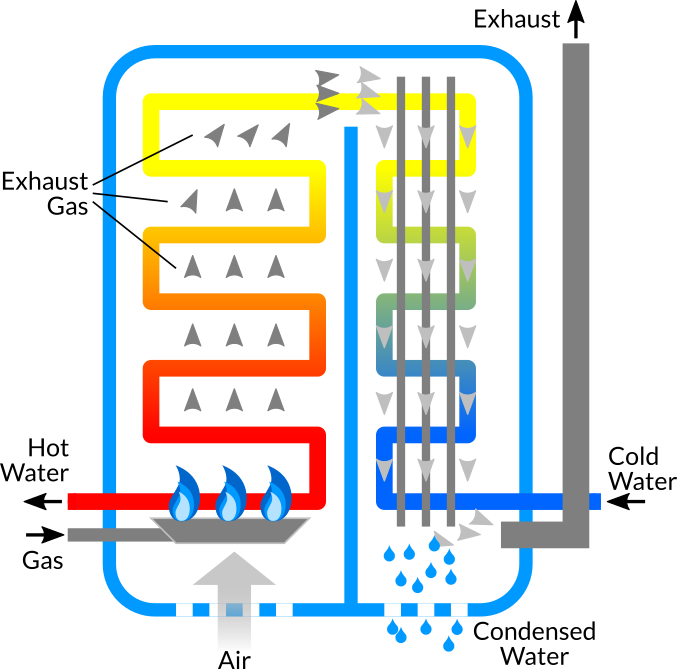
Calorific value (CV) measures the total heat energy released when a unit quantity of fuel undergoes complete combustion. It is split into Gross Calorific Value (GCV), also called Higher Heating Value (HHV) and Net Calorific Value (NCV), also called Lower Heating Value (LHV) based on what happens to the water vapor produced during burning
For natural gas, the difference between Gross Calorific Value (GCV) and Net Calorific Value (NCV) is roughly 10%
Because natural gas consists mostly of methane (CH4), burning it produces a large amount of hydrogen-derived water vapor compared to fuels like coal or oil. The gap comes down to whether you capture the heat from that water vapor